520 × 520
mm · prototype housing
Original milling drawing describes a 520 mm square enclosure and 480 mm square multi-touch area.
Protype Specs.pdf
A lifestyle view of the portable iGame Board, with each player using their own phone.
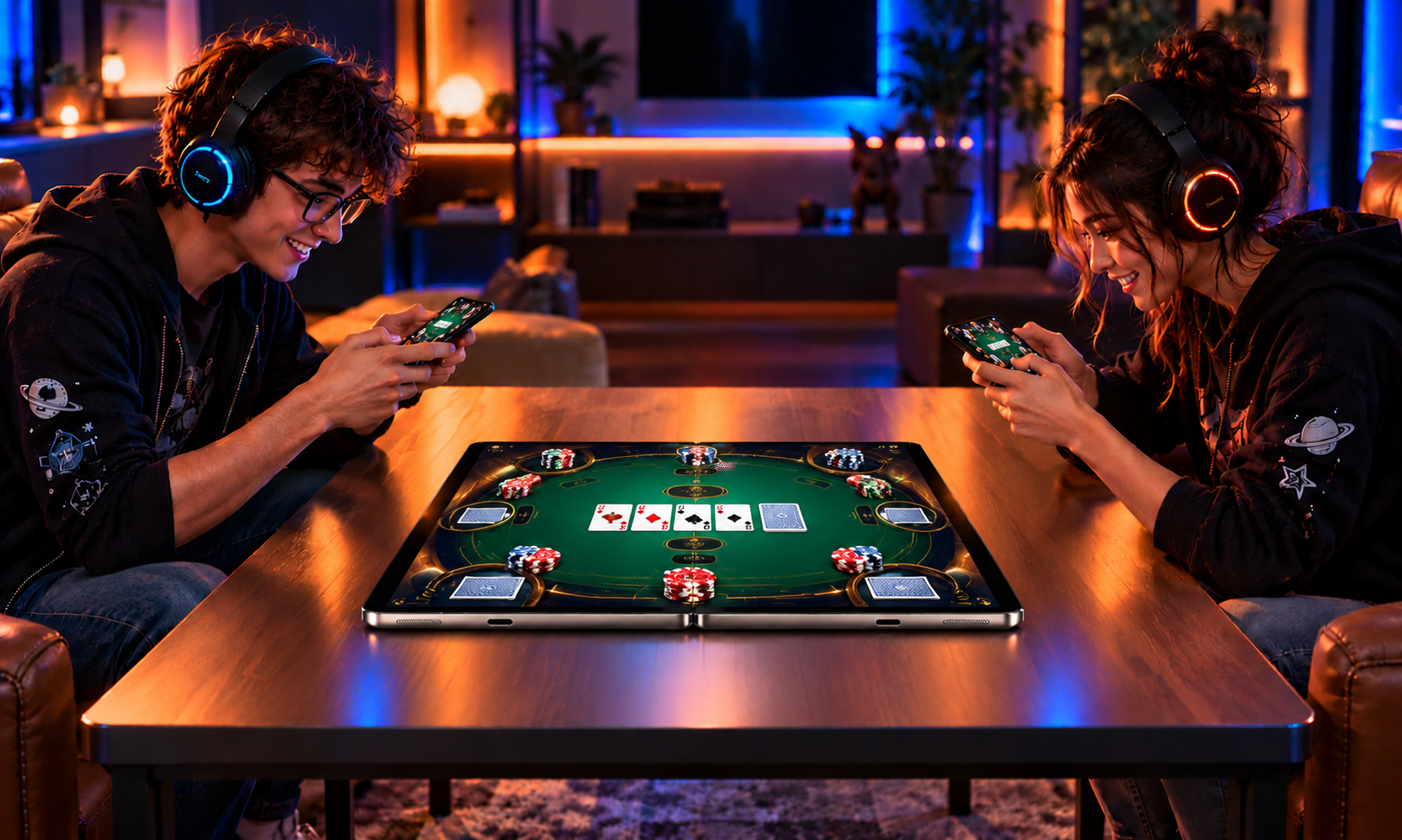
Your original presentation describes a square multi-touch playing surface, animated pieces and cards, Wi-Fi play, and connected phones or tablets for individual players.
Players could hold private cards on their own devices, send a card to the board with a flick, or pass one to another player. The experience was designed around people sharing a physical space while using connected technology.
Source: IgameV2.pdf. This website translates its concepts into web content, without publishing the private original PDF.
Historic concepts include quizzes, card games, motion controllers, remote multiplayer and animated play.
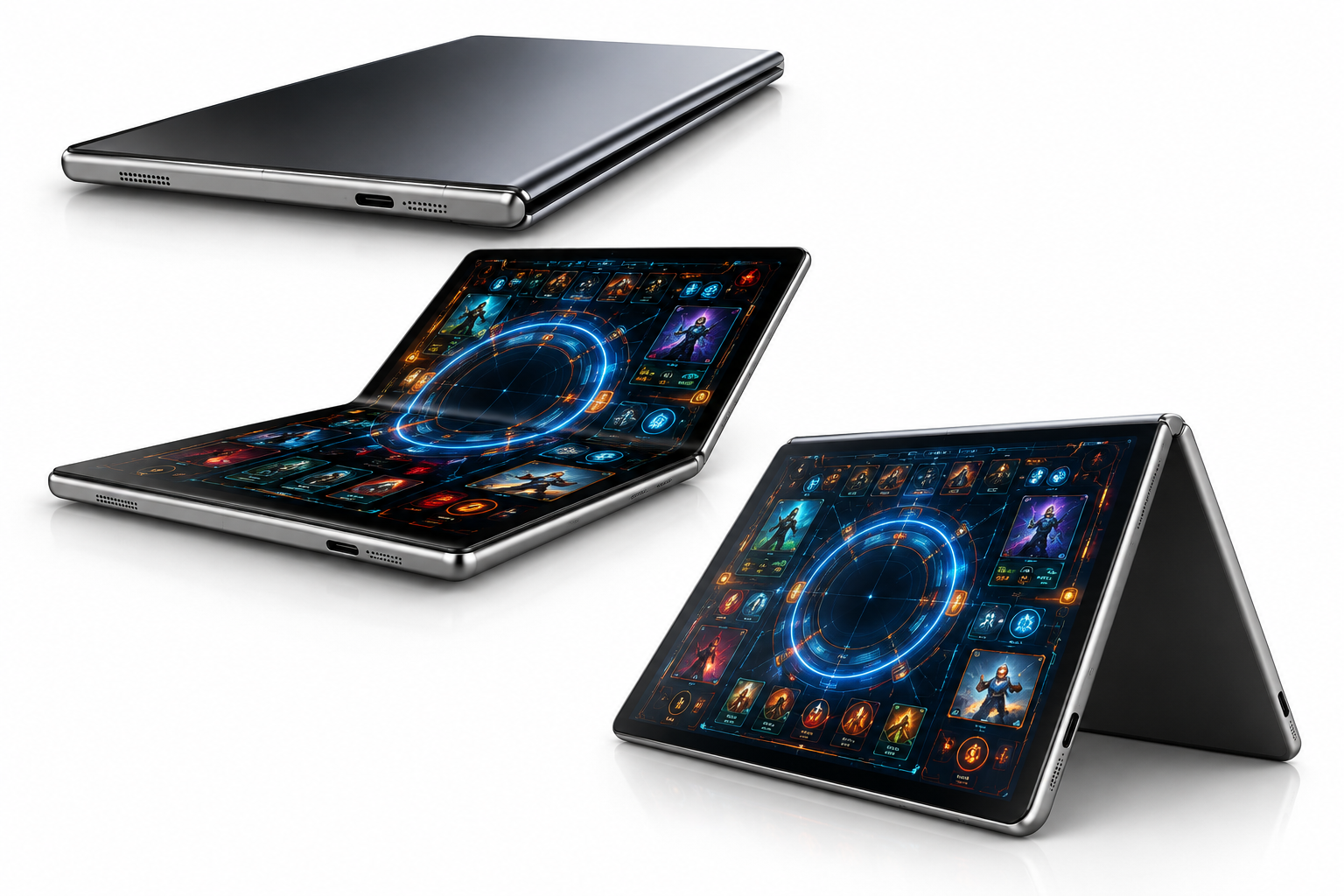
Closed for carrying, half-open for play and standing open for shared viewing. Concept renders show the same slim, curved-edge folding tablet.
Original milling drawing describes a 520 mm square enclosure and 480 mm square multi-touch area.
Protype Specs.pdfA separate drawing references a 480 mm square format and a 440 mm square working area.
Board Spec.pdfAnother drawing references folding-screen technology and a 440 mm square touch area.
Folding Board Technology.pdfThese are historical design studies, not a final engineering specification. The current ambition is a thin, portable, book-folding device — not a table or furniture.
Cards and individual controls stay on each player's device.
Moves, dice and animated pieces appear on the communal surface.
Original ideas include local multiplayer, remote players, quizzes and motion controls.
This browser-only illustration demonstrates the interaction idea. It is not yet connected to a real phone or touchscreen device.
Ready to play.
Concept, history, technical studies and an illustrative interaction demo. Only website-useful content is included.
Add selected original artwork, board renders and controller designs as you approve them for display.
Test phone pairing, private player screens and synchronized actions using a separate development server.
Private supplier emails, personal contact information, financial documents and original confidential applications are intentionally excluded from this public-ready build.